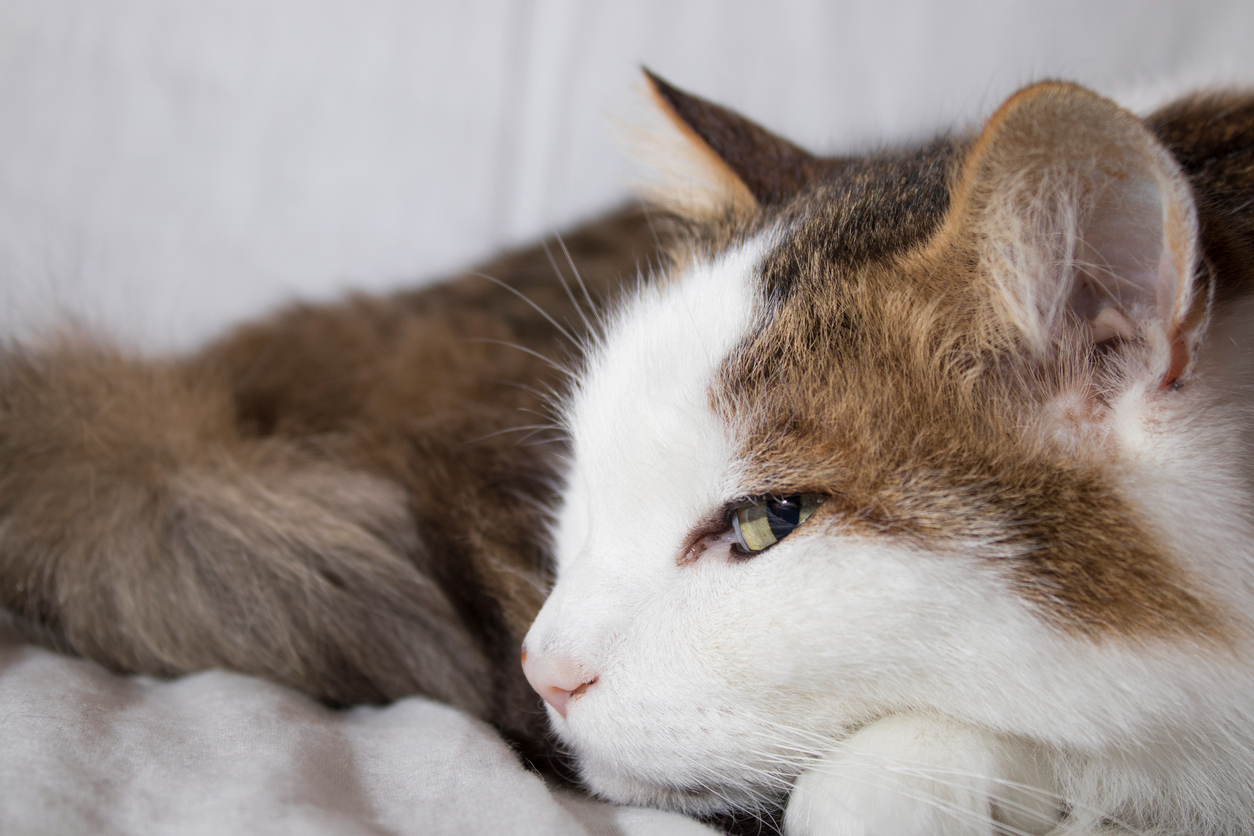
Your cat still visits the windowsill but now uses a chair to get there. Grooming has become less thorough, or stepping into the litter box seems more difficult. These changes may develop gradually, making them easy to attribute to age. However, arthritis in cats can make familiar activities painful long before an obvious limp appears.
At Pecan Grove Veterinary Hospital in Tempe, Arizona, we help identify the cause of changes in your cat’s movement and behavior and develop a plan to improve comfort. Recognizing those changes gives us an opportunity to address pain and make daily life easier.
How Arthritis Affects Your Cat’s Joints
Osteoarthritis is a chronic condition in which cartilage and other tissues within a joint deteriorate, leading to inflammation, pain, and reduced mobility. It becomes more common as cats get older, although younger cats can also develop joint problems. Previous injuries and abnormal joint development may contribute.
Arthritis is different from a new injury, but the signs can overlap. A cat that stops jumping or begins favoring a leg needs an examination to determine what is causing the change.
Signs of Arthritis in Cats
Cats often adjust their routines to avoid uncomfortable movements. You may notice your cat:
- Hesitating before jumping or choosing lower resting places.
- Using several smaller jumps to reach furniture.
- Moving stiffly after resting.
- Playing less or avoiding stairs.
- Grooming less, particularly along the back and hindquarters.
- Becoming sensitive to being picked up or touched.
- Having difficulty entering, turning around in, or climbing out of the litter box.
A change in behavior does not identify the cause on its own. For example, litter box accidents can reflect painful movement, but urinary or digestive problems may also be responsible. Tell us about changes even when your cat is still eating, walking, and interacting with you.
How We Evaluate Joint Pain
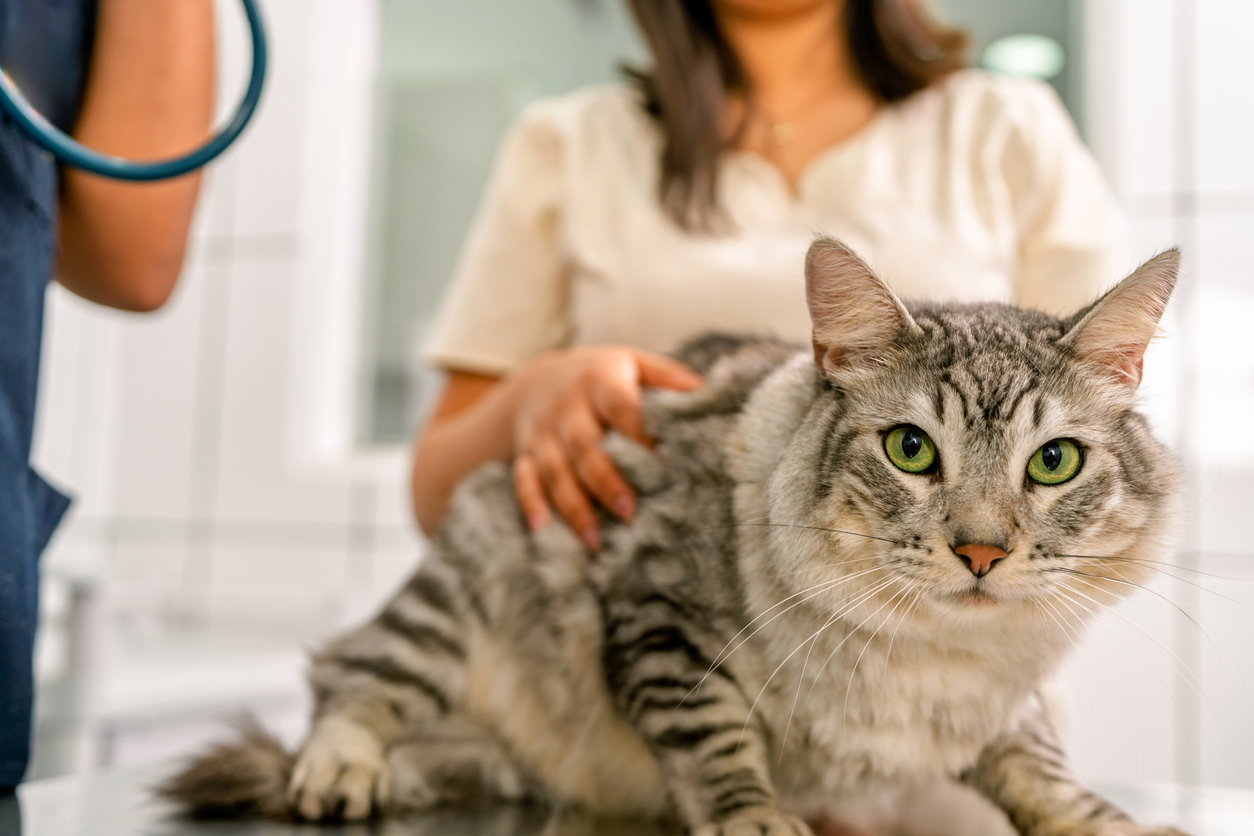 An evaluation begins with a conversation about what has changed and a physical examination. We assess your cat’s movement, joints, muscles, and overall health to help distinguish arthritis from injuries and other conditions.
Depending on the findings, we may recommend digital X-rays to examine the joints and bones. Bloodwork or other testing can help us assess additional health concerns and guide treatment decisions.
Short videos of your cat walking, rising from rest, or navigating a familiar step can help us understand movements that may be difficult to observe during an appointment. Do not encourage your cat to jump or repeat an activity that appears painful just to record it.
Treatment Options for Arthritis in Cats
Treatment focuses on reducing pain, supporting movement, and helping your cat participate comfortably in daily activities. A plan may combine prescription pain relief, weight management when needed, appropriate activity, and changes around the home.
We select medications based on your cat’s overall health, kidney function, and any other medications your cat takes. Never give human pain relievers or medication prescribed for another pet unless we specifically direct you to do so.
Follow-up visits help us assess whether treatment is making a practical difference. Is your cat moving more easily, grooming more comfortably, or returning to a favorite resting place? These observations help guide adjustments.
Stem Cell Therapy
Pecan Grove Veterinary Hospital offers stem cell therapy for arthritis and joint injuries. Our veterinarian can evaluate your cat and discuss whether this treatment is appropriate as part of an individualized care plan.
Supporting Your Cat’s Joint Health
Arthritis cannot always be prevented, but maintaining a healthy weight and supporting comfortable movement can help protect your cat’s mobility.
Keep Your Cat at a Healthy Weight
Extra weight places additional stress on joints and can worsen arthritis-related discomfort. This is particularly worth discussing if your cat has a history of a fracture or other joint injury, even if it occurred years ago.
Encourage Comfortable Activity
Short play sessions tailored to your cat’s abilities help maintain muscle and mobility. For a cat with joint pain, choose gentle play at floor level rather than activities that require repeated high jumps.
Let your cat set a comfortable pace. Avoid forcing exercise or stretching painful limbs without veterinary guidance.
Make Everyday Activities Easier
Small adjustments can reduce the effort required to reach the things your cat needs and enjoys:
- Provide easier access. Use stable steps or ramps to favorite resting places.
- Improve footing. Place nonslip rugs along routes your cat regularly uses.
- Adjust the litter box. Offer a spacious box with a low entrance.
- Keep essentials nearby. Make food, water, and litter boxes accessible without stairs.
- Offer comfortable resting places. Provide soft bedding in quiet, easily reached locations.
Monitor Changes Over Time
Tell us about previous injuries during your cat’s examinations and let us know about changes in jumping, grooming, play, or litter box use. Addressing discomfort early allows us to adjust care before daily activities become more difficult.
When to Schedule a Veterinary Visit
Arrange an appointment for recurring stiffness, reduced jumping, grooming changes, or other ongoing signs of discomfort.
Call for same-day guidance if your cat suddenly begins limping, will not put weight on a leg, or appears painful. Sudden inability to stand or use the back legs, severe pain, or difficulty breathing requires immediate emergency care. Do not assume a sudden change is an arthritis flare-up.
Help Your Cat Move More Comfortably
If your cat’s habits or movements have changed, schedule an examination at Pecan Grove Veterinary Hospital in Tempe. We can investigate the cause, explain treatment options, and help you make everyday activities more comfortable for your cat.