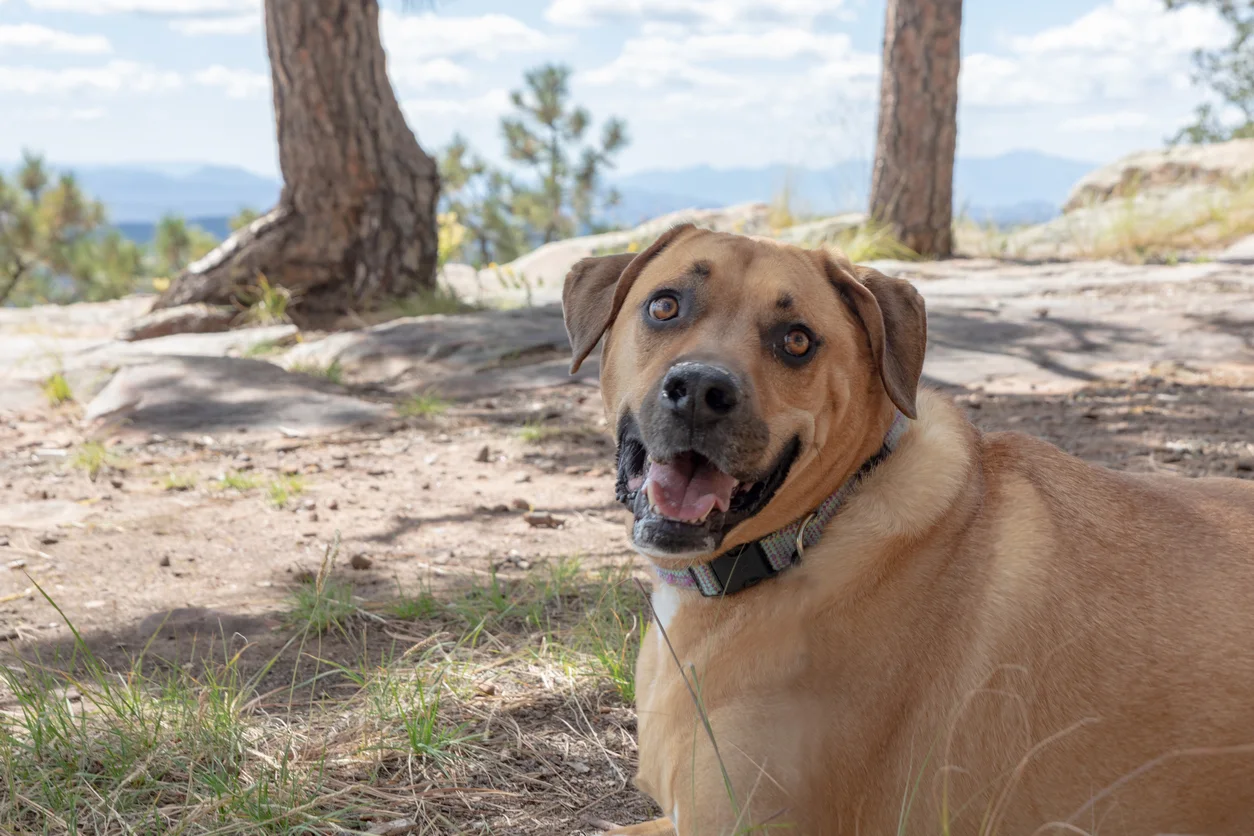
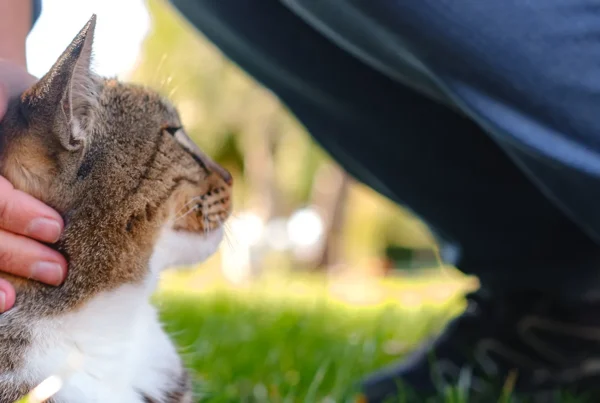
Valley Fever is a fungal infection that affects dogs throughout Arizona, particularly in desert communities such as Tempe and the surrounding Phoenix area. Dogs can become infected simply by breathing in microscopic fungal spores from the soil. Some dogs develop few or no symptoms, while others become ill and may experience serious complications if the infection spreads beyond the lungs.
For Arizona pet owners, understanding Valley Fever in dogs is particularly important because exposure can occur during ordinary outdoor activities, including walks, playing in the yard, or digging.
At Pecan Grove Veterinary Hospital, we want pet owners to recognize the early signs of illness and understand when veterinary attention may be needed.
How Dogs Get Valley Fever in Arizona
Valley Fever, medically known as coccidioidomycosis, is caused by a fungus called Coccidioides that lives in the soil in parts of the southwestern United States. Arizona is one of the areas where the fungus is particularly common.
When contaminated soil is disturbed by wind, construction, landscaping, or digging, microscopic fungal spores can become airborne. Dogs may inhale these spores while spending time outdoors. Once inhaled, the spores can develop into an infection, usually beginning in the lungs.
Although Valley Fever occurs year-round in Arizona, environmental conditions such as rainfall, dry weather, and wind can influence exposure. Fall is an appropriate time to remind pet owners about the disease, but it is important to recognize that infections can develop during any season.
An infected dog cannot transmit the disease to another dog or a person through coughing, playing, or sharing a home. Infection generally occurs when fungal spores are inhaled from the environment.
Recognizing the Symptoms of Valley Fever in Dogs
Symptoms can vary considerably depending on the severity of the infection and whether the fungus remains in the lungs or spreads to other parts of the body.
Some dogs develop mild symptoms, while others become noticeably ill. Signs may appear weeks after exposure, making it difficult for owners to connect the illness with a particular outdoor activity.
Common symptoms include:
- Persistent coughing
- Unusual tiredness or reduced activity
- Fever
- Loss of appetite
- Unexplained weight loss
- Difficulty breathing in more severe cases
In some cases, the infection spreads beyond the lungs, a condition known as disseminated Valley Fever.
When the fungus spreads, symptoms may include lameness, swollen joints, bone pain, or difficulty walking. Some dogs develop painful bone infections that can be mistaken for an injury or another orthopedic problem.
More serious complications can occur when the infection involves the nervous system or other organs. Although less common, these cases can cause seizures, neurological abnormalities, or other potentially life-threatening problems.
Because these symptoms can also occur with other medical conditions, veterinary testing is necessary to determine whether Valley Fever is responsible.
Diagnosing and Treating Valley Fever in Dogs
Pecan Grove Veterinary Hospital offers laboratory and diagnostic services, including in-house bloodwork and access to specialized testing through outside laboratories. Our team can determine which diagnostic steps are appropriate based on your dog's condition. A blood test can detect antibodies to the Valley Fever fungus. If initial test results are negative but symptoms continue, repeat testing may be needed.
Treatment and Recovery
Most dogs diagnosed with Valley Fever require prescription antifungal medication. Fluconazole is commonly used, although other medications may be recommended depending on the severity and location of the infection.
Treatment often lasts six to twelve months or longer. Dogs with infections involving the bones, nervous system, or other organs may require more extensive treatment, and some need lifelong medication.
Can Valley Fever Be Fatal?
Yes. Although many dogs recover with appropriate treatment, Valley Fever can become life-threatening, particularly when the infection spreads beyond the lungs.
The University of Arizona's Valley Fever Center for Excellence reports that more than 90% of dogs generally respond to treatment. However, the prognosis depends on the extent of the infection, the dog's overall health, and how well the disease responds to medication.
Can Valley Fever in Dogs Be Prevented?
Currently, there is no commercially available vaccine to protect dogs against Valley Fever. Researchers are developing a canine vaccine, but it is not yet available for routine veterinary use.
However, there are practical ways to reduce potential exposure:
- Discourage digging. Dogs that frequently dig in dry soil may be exposed to more airborne dust.
- Avoid especially dusty conditions. Consider keeping your dog indoors during dust storms or when strong winds are blowing loose soil.
- Limit exposure to disturbed soil. Construction sites, excavation areas, and freshly disturbed ground can create dusty conditions.
- Choose less dusty outdoor areas. Grass-covered or landscaped areas may help reduce exposure compared with bare, dusty soil.
These precautions may reduce the amount of dust a dog inhales, but none can guarantee protection against Valley Fever.
For additional information about the disease, the University of Arizona Valley Fever Center for Excellence provides extensive educational resources about Valley Fever in dogs, including diagnosis, treatment, and ongoing research.
Valley Fever in Cats
Cats can also develop Valley Fever, although the disease is diagnosed much less frequently than in dogs. According to the University of Arizona's Valley Fever Center for Excellence, approximately one cat is diagnosed for every 50 dogs. Even indoor cats can become infected because fungal spores can travel through the air.
Symptoms in cats can differ from those in dogs. One of the most common signs is a skin lesion that does not heal, sometimes resembling an abscess or an open sore that drains fluid. Other symptoms may include weight loss, poor appetite, fever, lethargy, coughing, or difficulty breathing.
Diagnosing Valley Fever in cats may involve blood tests, chest X-rays, or a biopsy of a persistent skin lesion. Antifungal medications are used to treat the infection, although treatment must be tailored to the cat's individual needs.
When to Seek Veterinary Care
If your dog develops a persistent cough, unexplained weight loss, fever, or lameness, schedule a veterinary examination. Cat owners should watch for similar symptoms, as well as skin lesions that do not heal. Pets experiencing breathing difficulties, seizures, collapse, or severe weakness need emergency veterinary care.
Valley Fever can resemble other illnesses, making an accurate diagnosis important. At Pecan Grove Veterinary Hospital, our team provides examinations and diagnostic services to identify potential health problems and recommend appropriate treatment.
If you are concerned about possible Valley Fever symptoms in your pet, contact Pecan Grove Veterinary Hospital at (480) 598-3669 to schedule an appointment.